

Samboan Cebu: Dau Falls

credits to the rightful owner

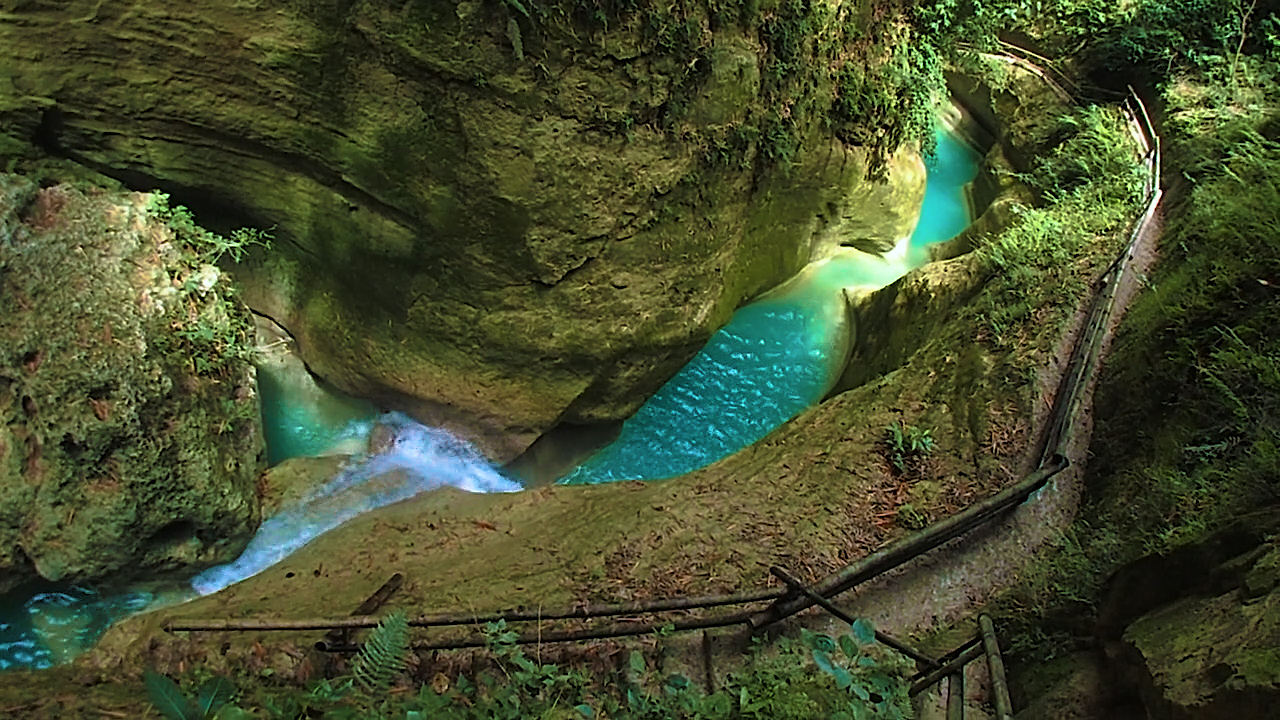
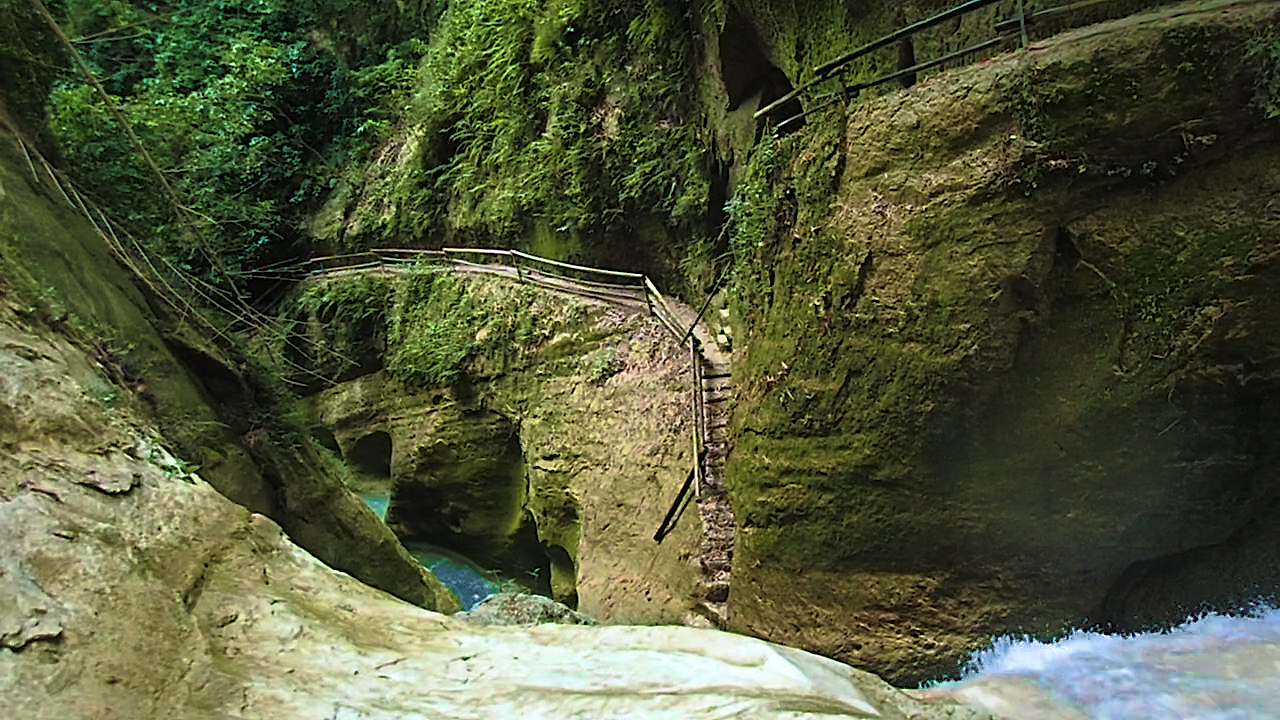
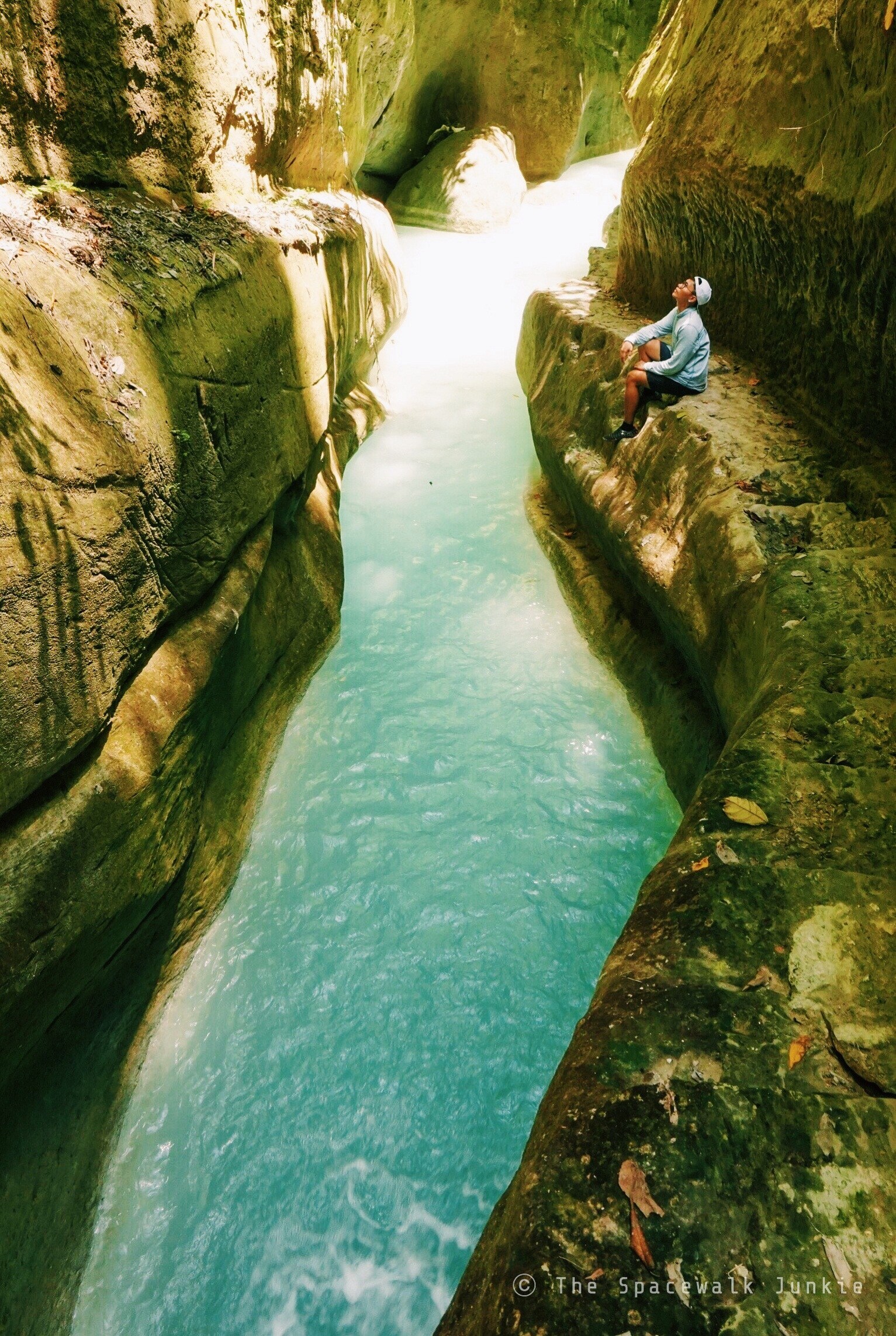
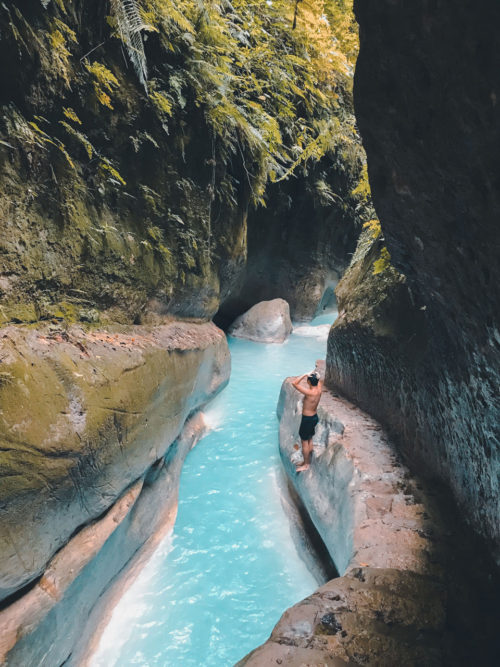
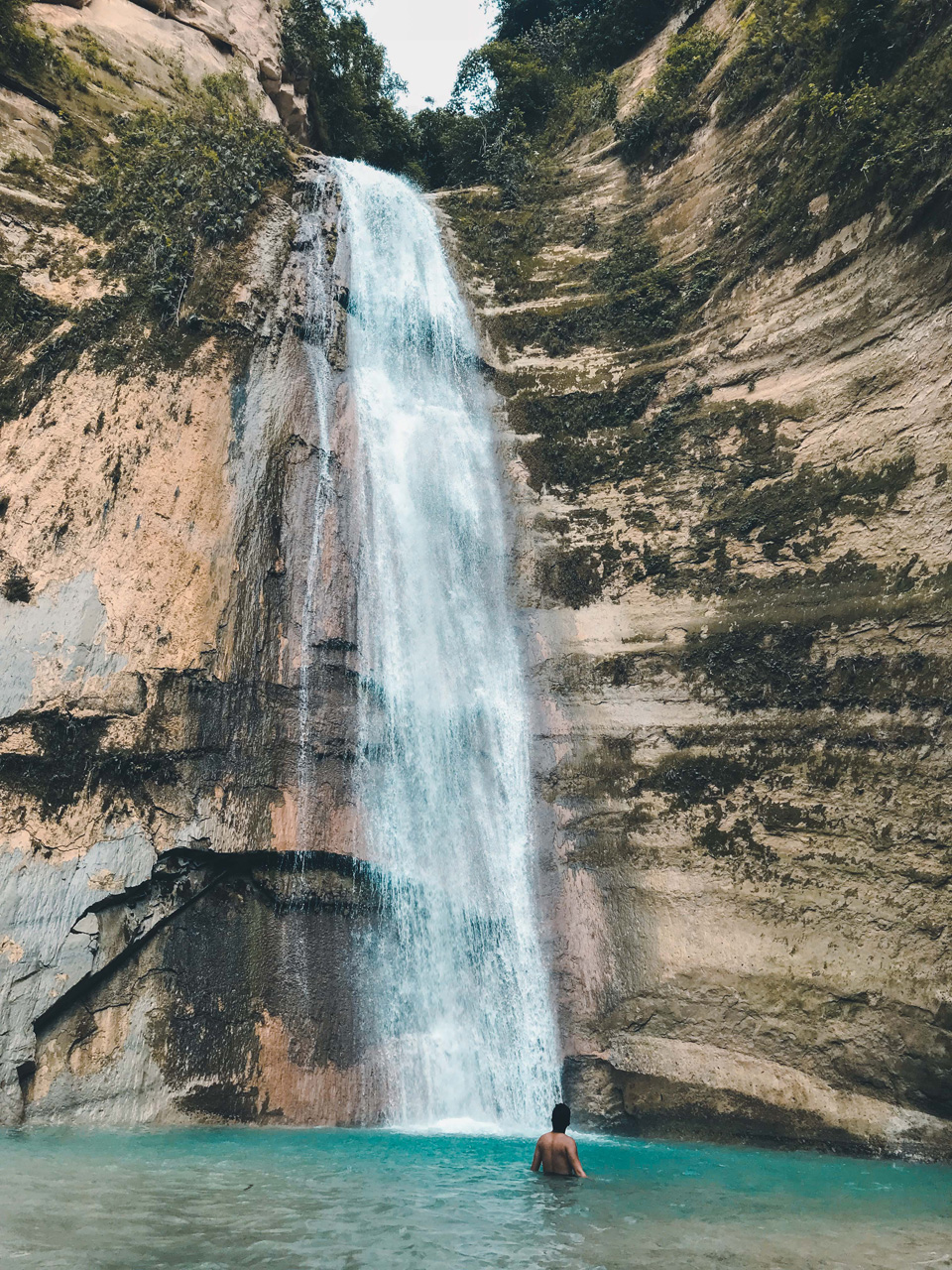
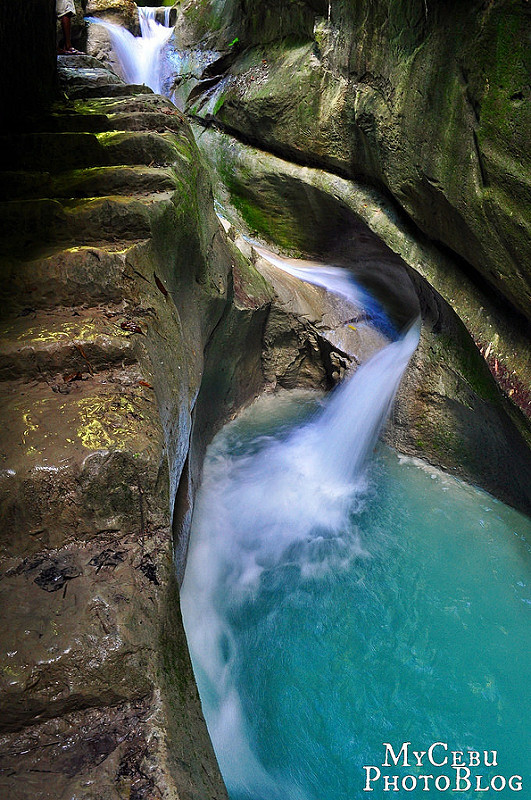
For most tourist , staving off the intense tropical heat means going to the beaches. But what if you want to do something different? What if you are tired of crowded beaches but still want to go some place where you could cool off? Then head off to Samboan, the beautiful waterfall capital of southern Cebu. There you can take a cool, refreshing plunge in their pristine and magnificent waterfalls. One of those stunning natural wonders is the picturesque Dau Falls.
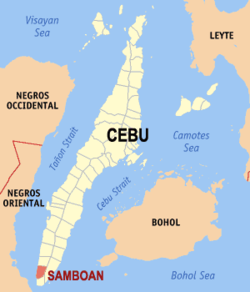
Dau Falls is located in Barangay Suba, Samboan, in the interiors of the town. There is a paved road going there, but there are steep inclines that make the ride rather unpleasant. Most habal-habals can very well maneuver up the steep road. However, tricycles usually struggle with the ascent, requiring you and your companions to abandon your hired tricycle and walk some 50 meters up the road where you’ll wait for your ride to arrive at a more leveled portion of the road.
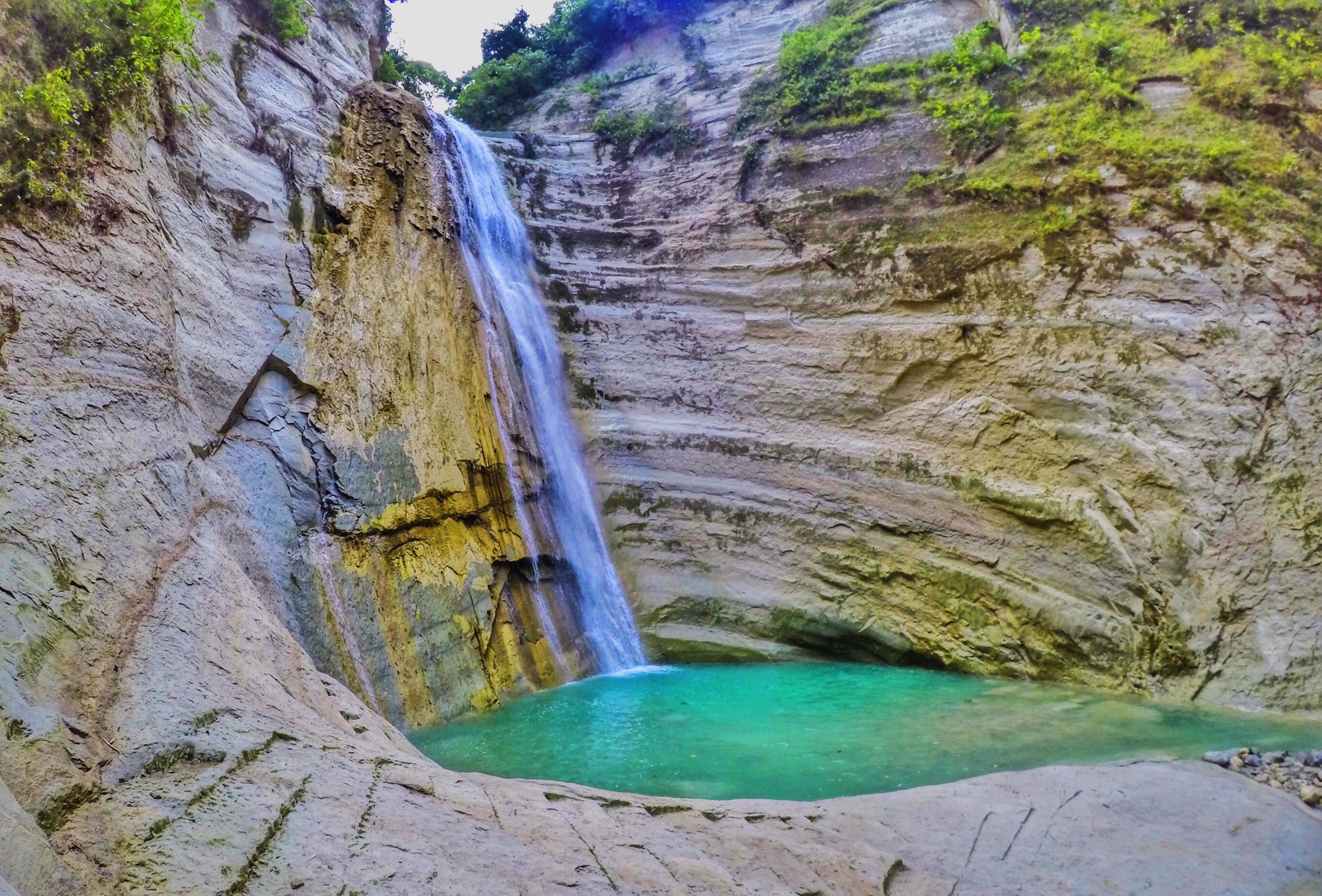
The exploratory journey to Dau is truly the hallmark of the entire pursuit. It is not an easy feat, but Dau Falls always rewards those who toil to find her. Dau Falls embodies the saying, “it is not the destination, but the journey”. Don’t get me wrong, Dau Falls’ 90-meter vertical drop may be the culmination of the trip, but once you’ve been there, don’t be surprised if you’ll find yourself talking more about the path to Dau Falls’ bosom than her cascading waters and natural pool.
  1. Ride a bus/van for hire/private vehicle to Samboan. Bato-Barili buses ply this route and they are parked at the Cebu South Bus Terminal. The usual fare for this three- to four-hour ride is P170 per person. Inform the driver or conductor to drop you off at Barangay Suba, Samboan.
  2. Once at the jump off, hire a habal-habal to take you to the reception of Dau Falls. For this trip, you may have to pay from P50 to P200. Ask the driver to wait or come back for you. Or you can go to Aguinid visitor’s center and avail of the waterfall trilogy tour where you will pay P250 and have a habal-habal driver take you to and from all three waterfalls – Aguinid, Binalayan and Dau. If you don’t mind waiting and temporarily abandoning the ride up a steep descent, ride a tricycle and pay only P25 per person.
  3. At the reception, register and hire a local tour guide. Local tourism collects a P20 entrance fee to Dau Falls. You may leave your other stuff (i.e. huge, heavy bags) here for safekeeping.
  4. Spare some amount around P100-P500, depending on your generosity, as a token for your guide. Guides are more than just guides – they double as porters, photographers, lifeguards, etc. So be generous.
  5. If it’s just a day trip, be sure to return to poblacion by 5pm so you can catch a ride back to Cebu City. Last bus trip is 7pm. Overnight accommodation are available at poblacion and in neighboring towns.
Sumilon Island Stresscapade

Credits to the rightful owner

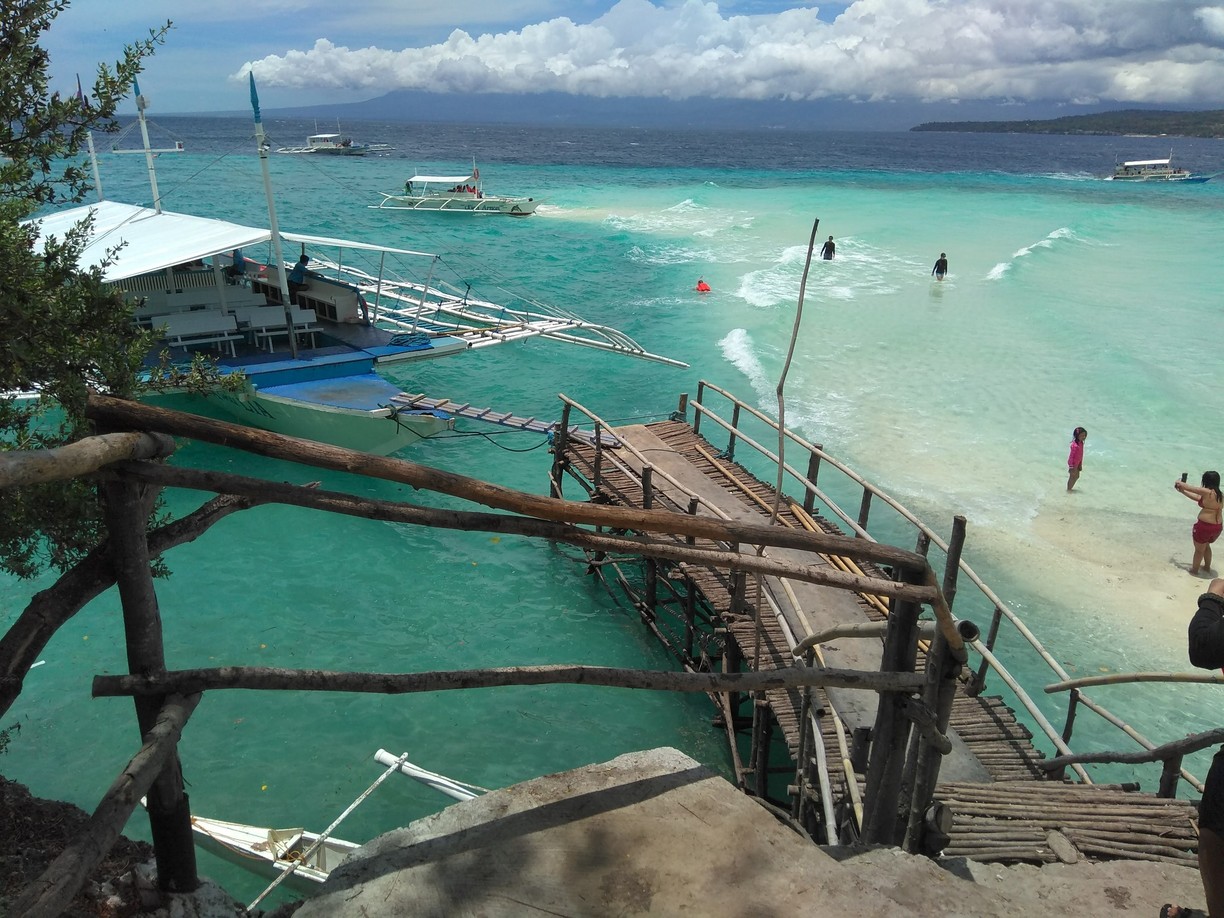
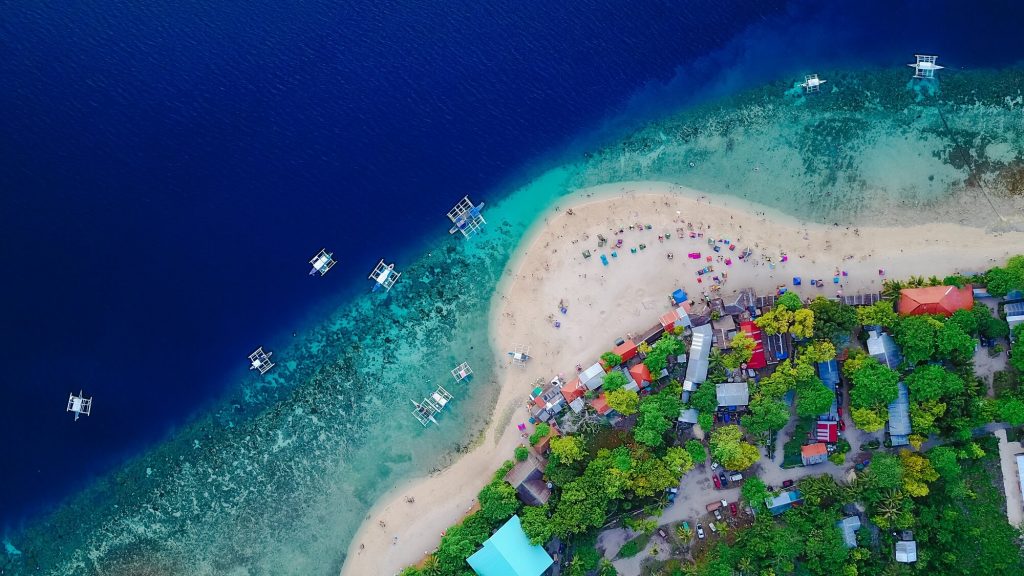
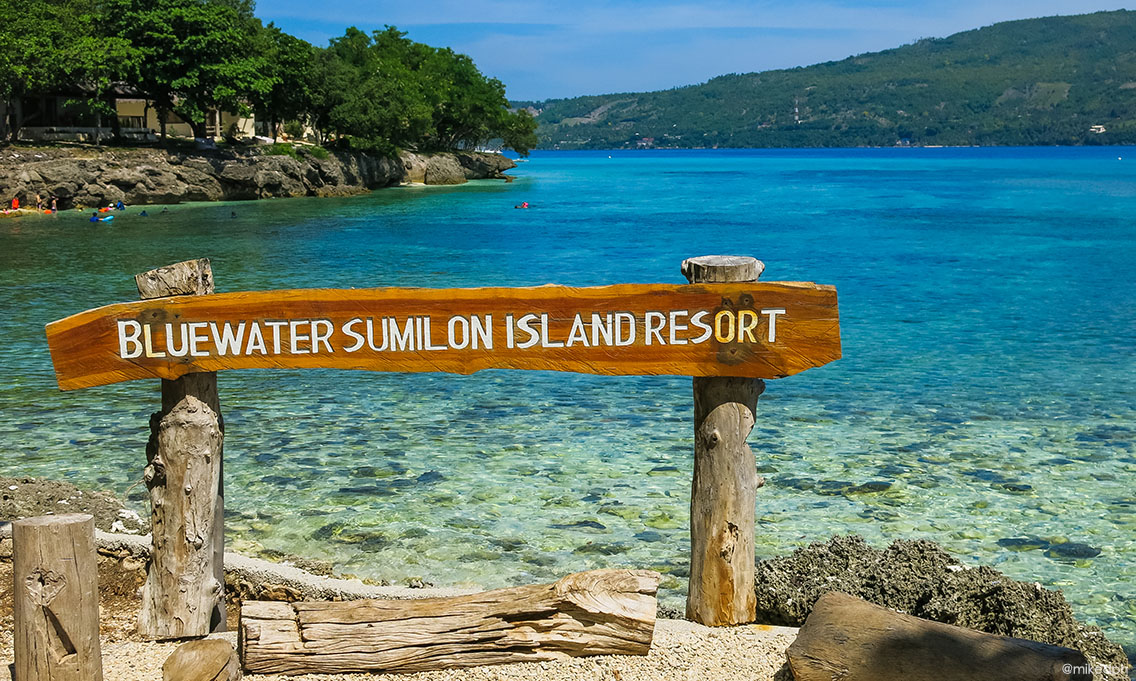
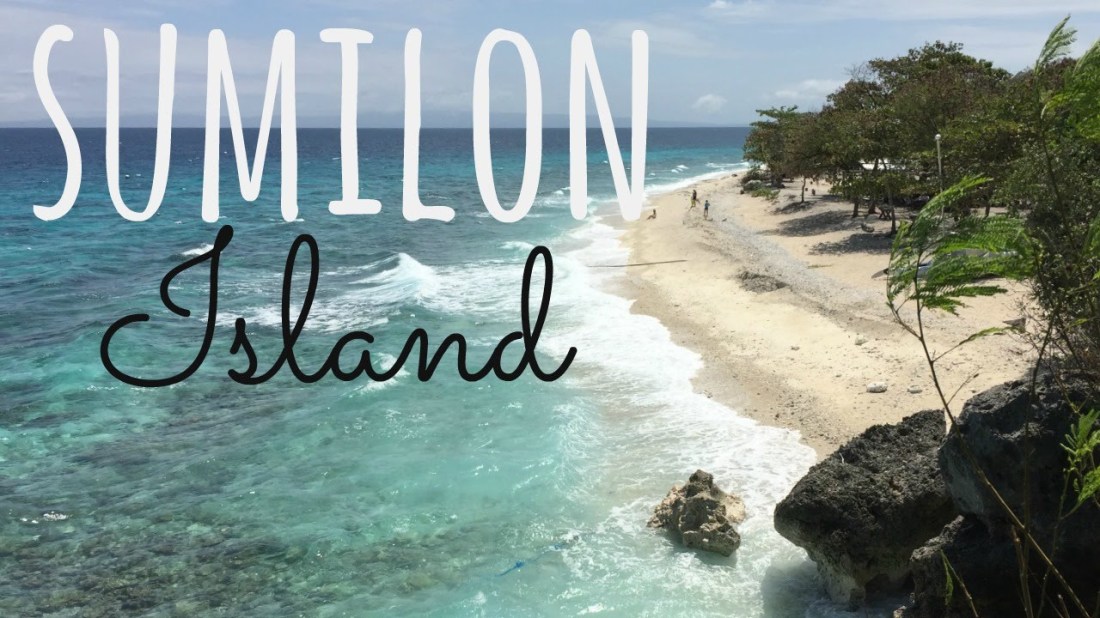
The Island of Sumilon is located off the southeast coast of the Municipality of Oslob, Cebu, and is under the administration of Oslob. The island is about 125 kilometers from Cebu City and separated from the mainland by the Cebu Strait. It is also close to Dumaguete City in the nearby island province of Negros Oriental.

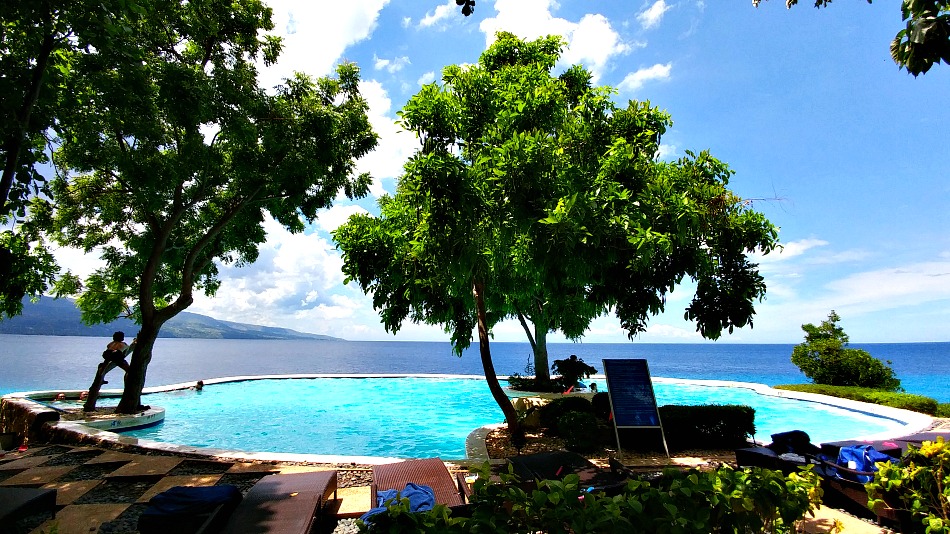
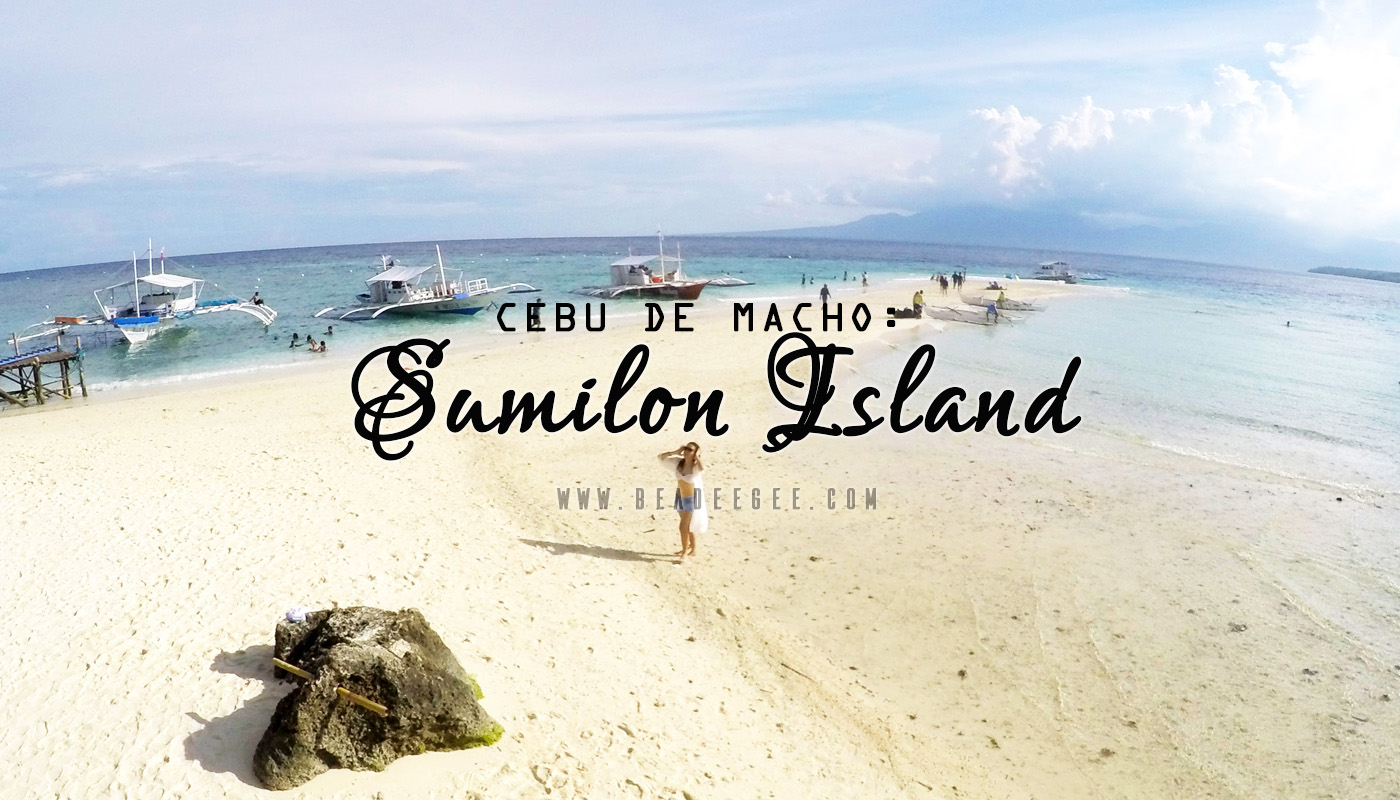
The word Sumilon comes from the word “sumilong”, which means to take refuge, as the island’s caves serve as shelters for fishermen from incoming storms. The island itself is filled with history and natural attractions. Whether its being surrounded by crystal clear waters with beautiful varying aquamarine hues, snorkeling in the first ever marine sanctuary, and lying on its white sand shifting sandbar, or kayaking at the natural lagoon, swimming with the whale sharks, and even the occasional sighting of black tip sharks, Sumilon has something for everyone!

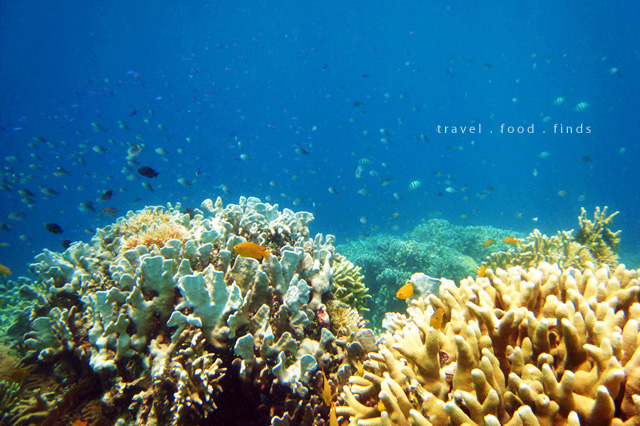
The island is famous throughout the country and internationally for the exceptional beauty of its dive sites. Sumilon has four major dive sites, which are Garden Eel Plaza, Nikki’s Wall, Coral Landscape and Julie’s Rock. The island’s diving sites are famous for their super visibility, stunning reefs and abundance of varied tropical marine species that provide an ideal and memorable dive. There are occasional sightings of black tip sharks during dives.

A popular attraction in Sumilon Island is its sandbar because of its changing shapes and shifting locations around the island depending on the season. Other places of interest in the island are a natural lagoon teeming with high mangroves and natural caves used by fishermen to seek refuge during storms, and a pristine lake.

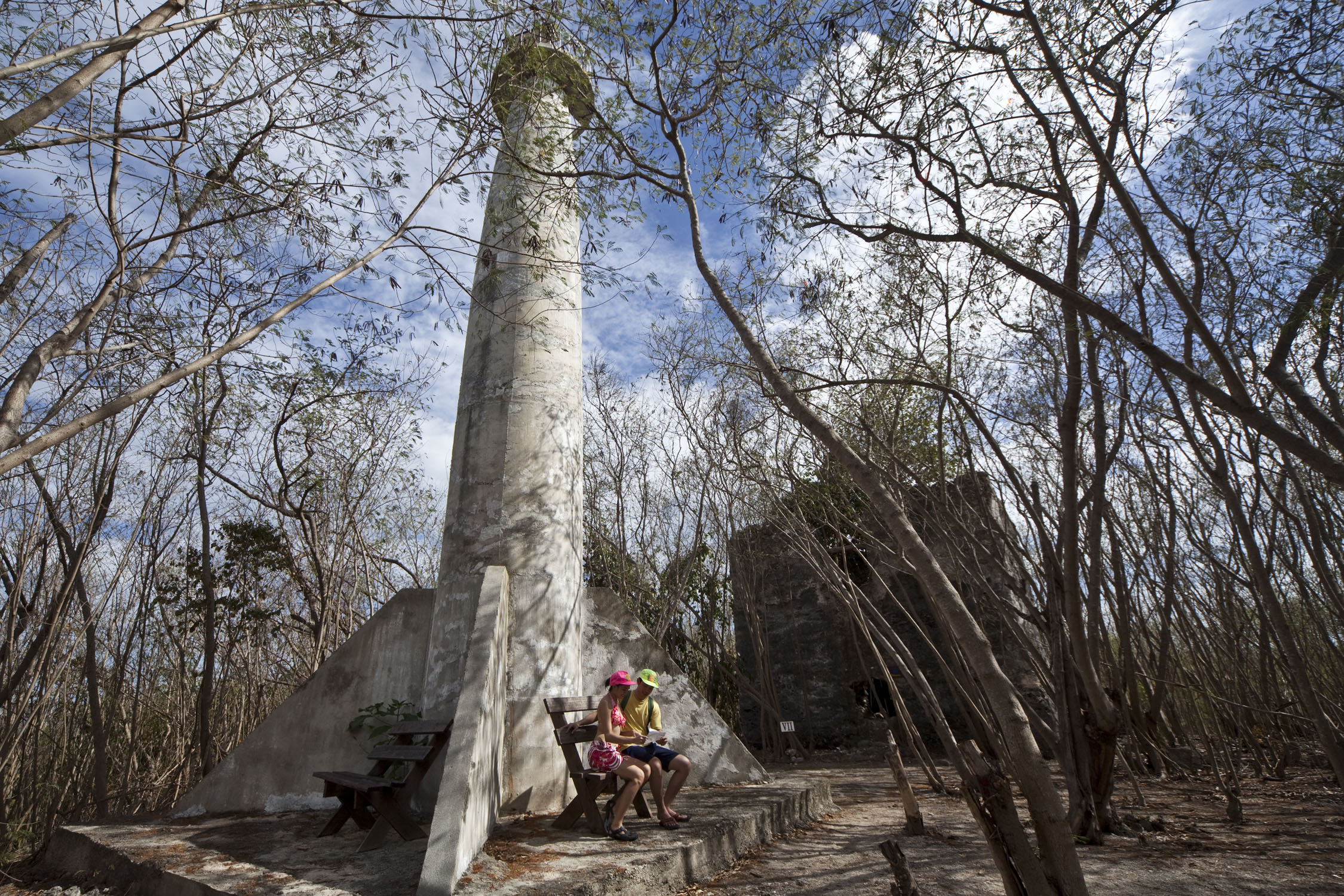
On the south portion of the island, a lighthouse rests on a protected tree park and beside it is a “baluarte,” a historical watchtower built as part of a warning system to thwart slavers and marauders in the 19th century.

Besides diving, you can also go bird watching, do beach picnics with the family, fishing, hiking, island tours, paddling and trekking.

  • From Cebu City – Ride a bus bound for Oslob in South Bus Station and alight in front of Brumini Resort. Travel takes about 3 hours.
  • From Bacolod & Dumaguete – Ride a Ceres bus bound for Oslob and alight in front of Brumini Resort. Travel takes about 2 hours.
  • From Bohol – Ride a ferryboat to either Cebu or Dumaguete then ride a bus to Oslob and alight in front of Brumini Resort. Travel may take about 4 hours.

Second. Charter A Boat To Take You To Sumilon Island In Brumini Resort


  • Tip # 1: Rate is P1500/boat but the boat is not exclusive to you so you can always ask to go with other guests to save some bucks.
  • Tip # 2: Don’t be swayed by locals saying that other guests might not agree to share the boat. Ask around and wait for other guests.
  • Tip # 3: You can ride a different boat in going back to Brumini Resort from Sumilon Island. No need to wait for the other guests or to wait for the same boat which brought you there to be available.
  • Tip # 4: There is a P50 Environmental Fee that locals collect in Sumilon Island and another P30 for the use of Toilet & Bath. You can change to your beach wears in Brumini Resort instead to save the P30.
  • Tip # 5: The best time to go to Sumilon Island is during the low tide hours from 2Pm onward. There will also be less people during those hours so you can most likely have the place to yourself.
  • Tip # 6: Bring water and food to keep you full while in the island savoring its beauty. Just don’t leave your trash. Pack them and dispose them upon getting back in Brumini Resort.
Credits for the rightful owner

Aloguinsan’s Bojo River: Mini Palawan of Cebu

Credits to the rightful owner.


Be like a river. Be open. Flow.

Julie Conner

If Aloguinsan, Cebu isn’t in your list of must-visit places, you better think again. The town wouldn’t be tagged “Tropical Town, Jewel in the Midwest, My Place in the Sun and Ecotourism Capital of Cebu” for no apparent reason.

Aloguinsan, a municipality that belongs to the 3rd district, used to be just a small fishing village of Pinamungajan until it was officially recognized as a town in 1886. Every June, the town locals celebrate “Kinsan Festival” to commemorate how Aloguinsan came about. Aloguinsan was derived from the name Kinsan a fish abundant in the southwestern waters.

Aloguinsan is made up of fifteen barangays namely: Angilan, Bojo, Bonbon, Esperanza, Kandingan, Kantabogon, Kawasan, Olango, Poblacion, Punay, Rosario, Saksak, Tampa-an, Toyokon and Zaragosa.

There are three attractions in Aloguinsan that can convince you to visit the town and one of it is the Bojo River.

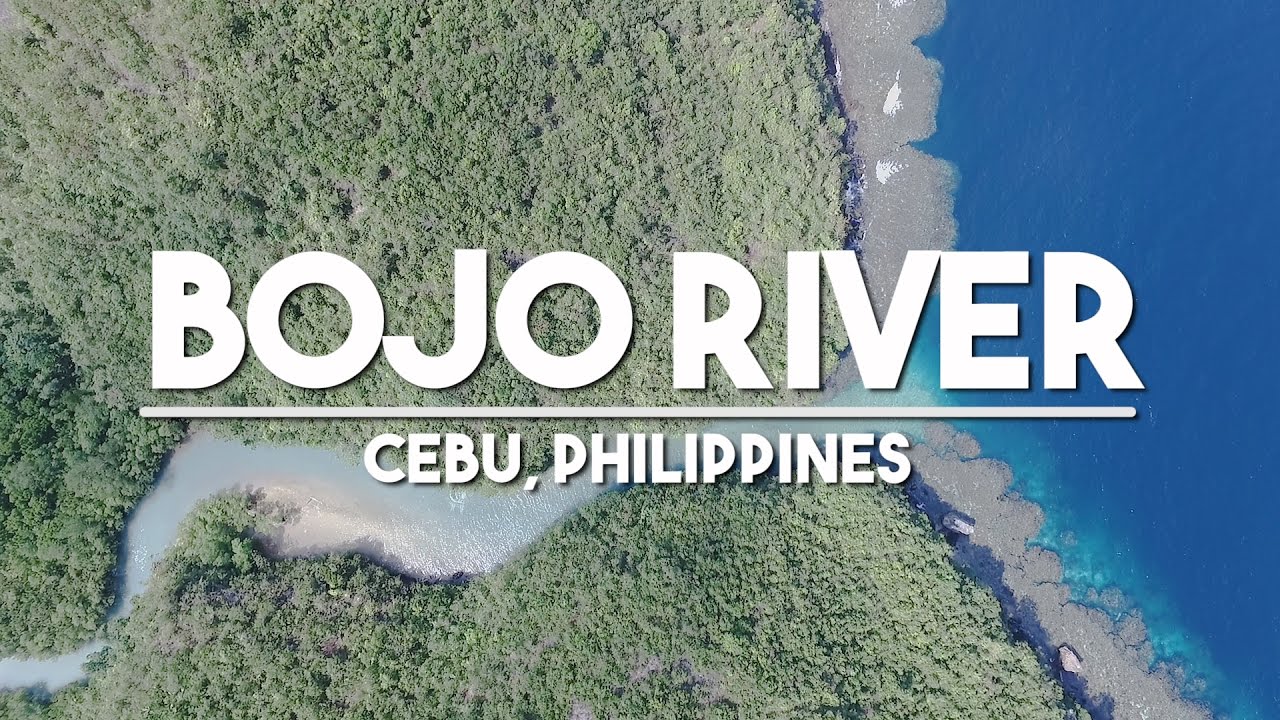
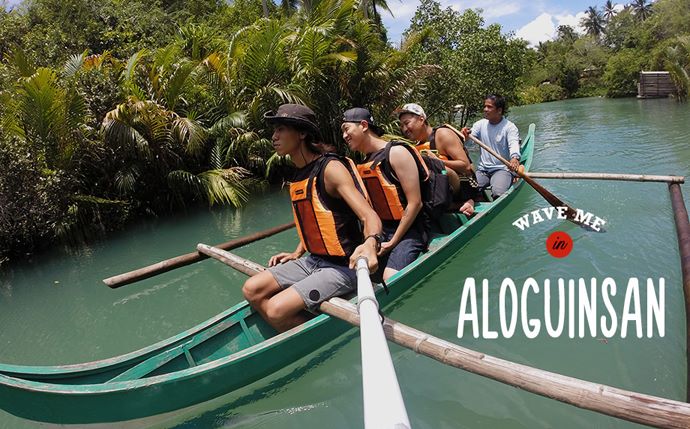
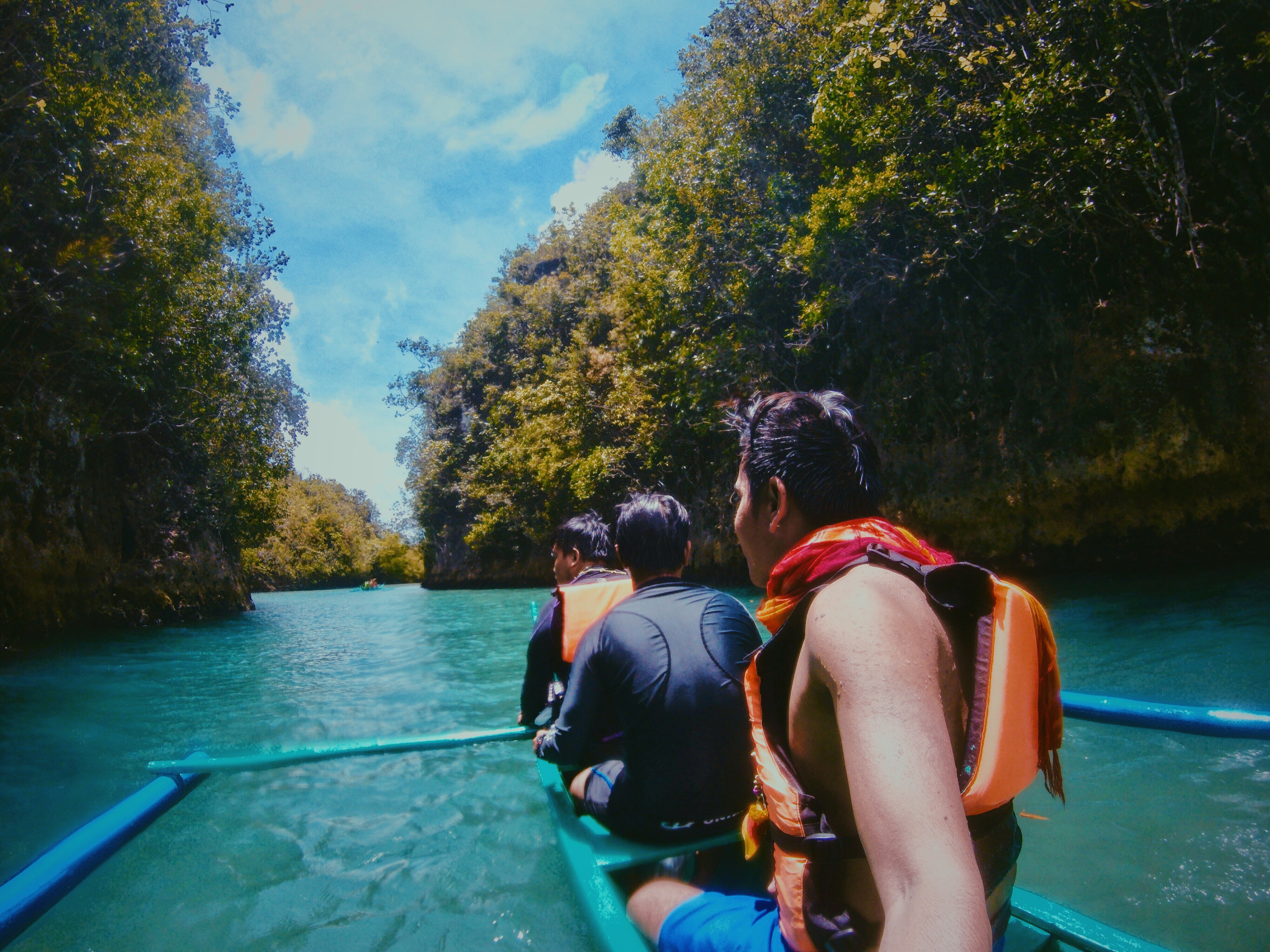
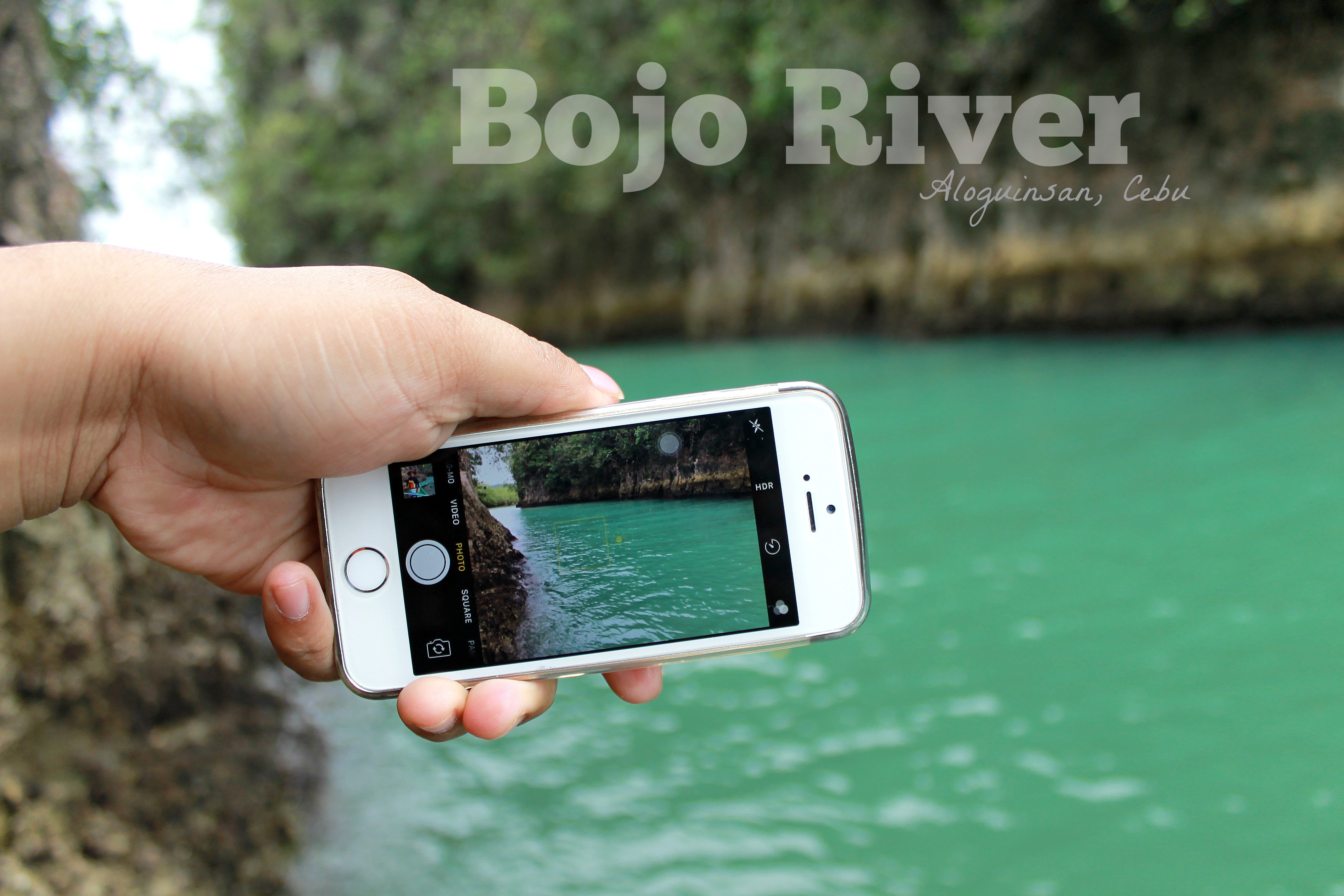
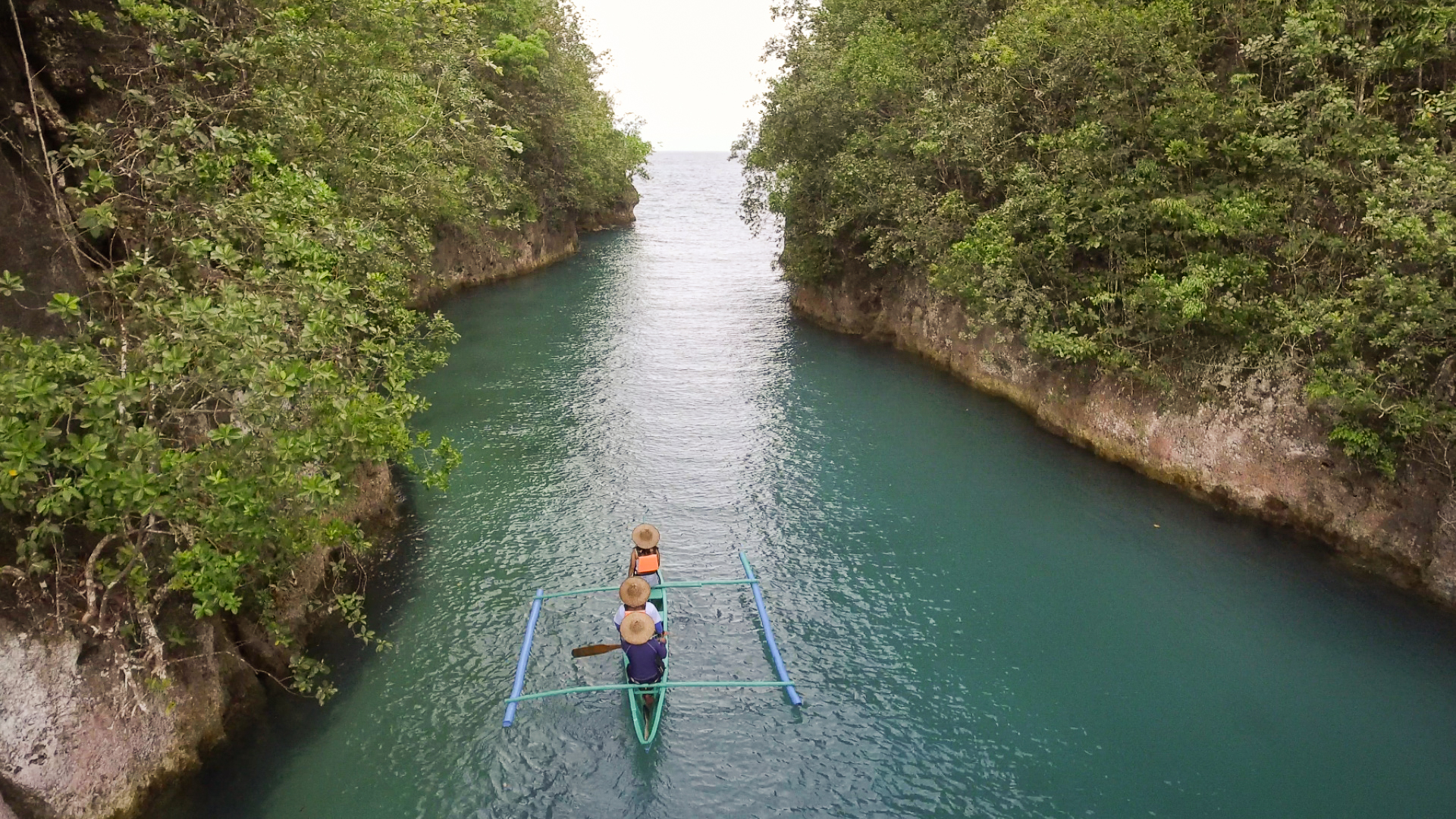
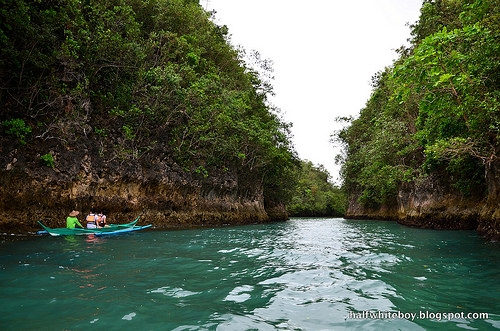
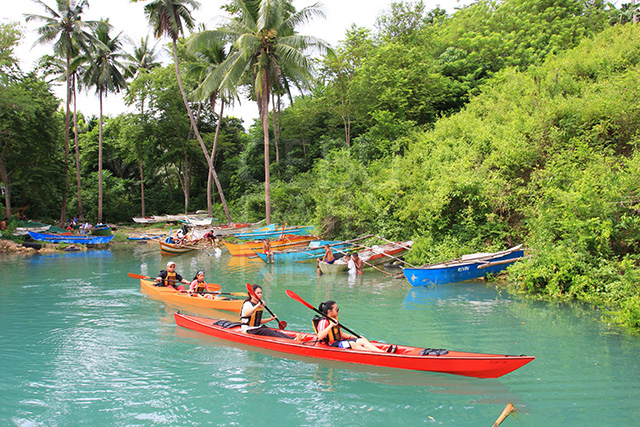
Bojo River is the jewel of Aloguinsan located in the Western Part of Cebu Province. The river itself possessed amusement towards travelers and serves as the best eco-tourism of Cebu. A cruise along the river is a must if plan to visit Aloguinsan. The Bojo River cruise is not only relaxing, but you will actually learn a lot from it too. This eco-cultural tour at Bojo River provides you not only fun time and ride on an outrigger boat but also an environmentally enlightening experience.

Along the river, you will see various species of mangroves, among other flora and fauna, being protected and propagated by local authorities and inhabitants.

It is a great place for nature lovers and environment-minded people to enjoy a boat ride by the river that is linked to the open blue sea.

It will take around 3 hours to complete the Bojo River Cruise package service and environmental lessons. (Actually, it is not a lecture per se but only introducing you, basically, to the names of trees and mangrove species). And of course, they provide your some guidance on how to take care of our nature and Mother Earth.

The cruise is a daily schedule and depends on the tide. That’s because the river itself is linked to the sea water. As you might have guessed already, a cruise is done only during high tides, so that the boats would easily glide over the river’s waters.

From the South Bus Terminal in N. Bacalso Ave., ride a minibus going to bound for Pinamungajan. Ask the conductor to drop you in front of The Farmhouse in Aloguinsan. Bus fare is ₱80 and travel time is 2 to 3 hours.

Another option is to take a Toledo-bound bus and transfer to a minibus or jeepney to Aloguinsan.

If you’re bringing your own vehicle, just navigate with Waze and search for “Bojo River Aloguinsan”. There’s a parking space available in the area.


Osmeña Peak: Dalaguete Stresscapade

Credits to the rightful owner

Dalaguete, officially the Municipality of Dalaguete is a 1st class municipality in the province of Cebu, Philippines. According to the 2015 census, it has a population of 67,497 people.[

Located 84 kilometres (52 mi) south of Cebu City.

Dalaguete is bordered to the north by the town of Argao, to the west are the towns of Badian and Alegria, to the east is the Cebu Strait, and to the south is the town of Alcoy.

Dalaguete offers one of the trails to Cebu’s highest summit, the Osmeña Peak.

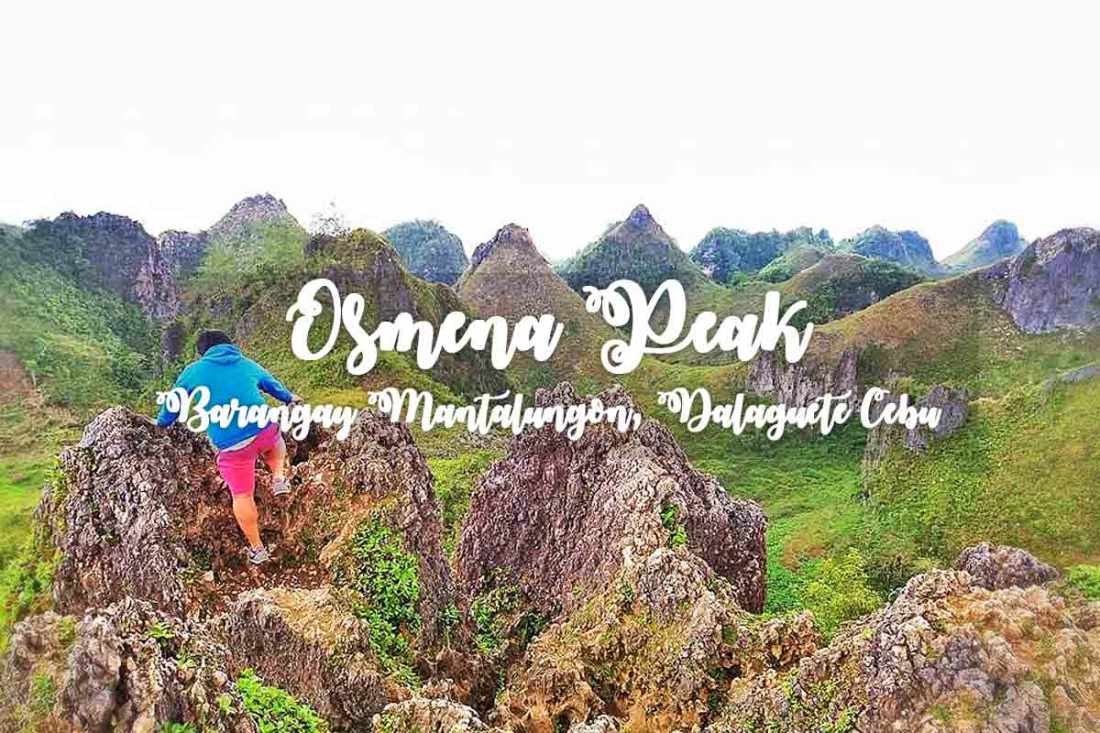
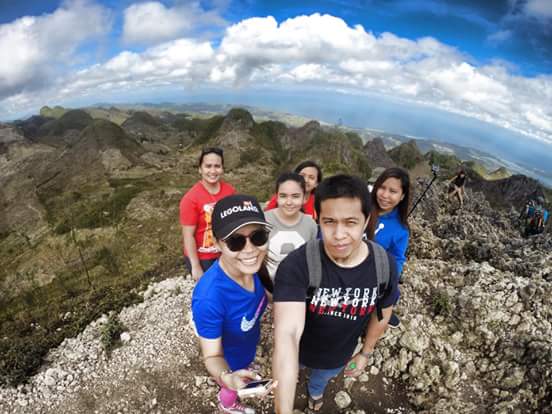
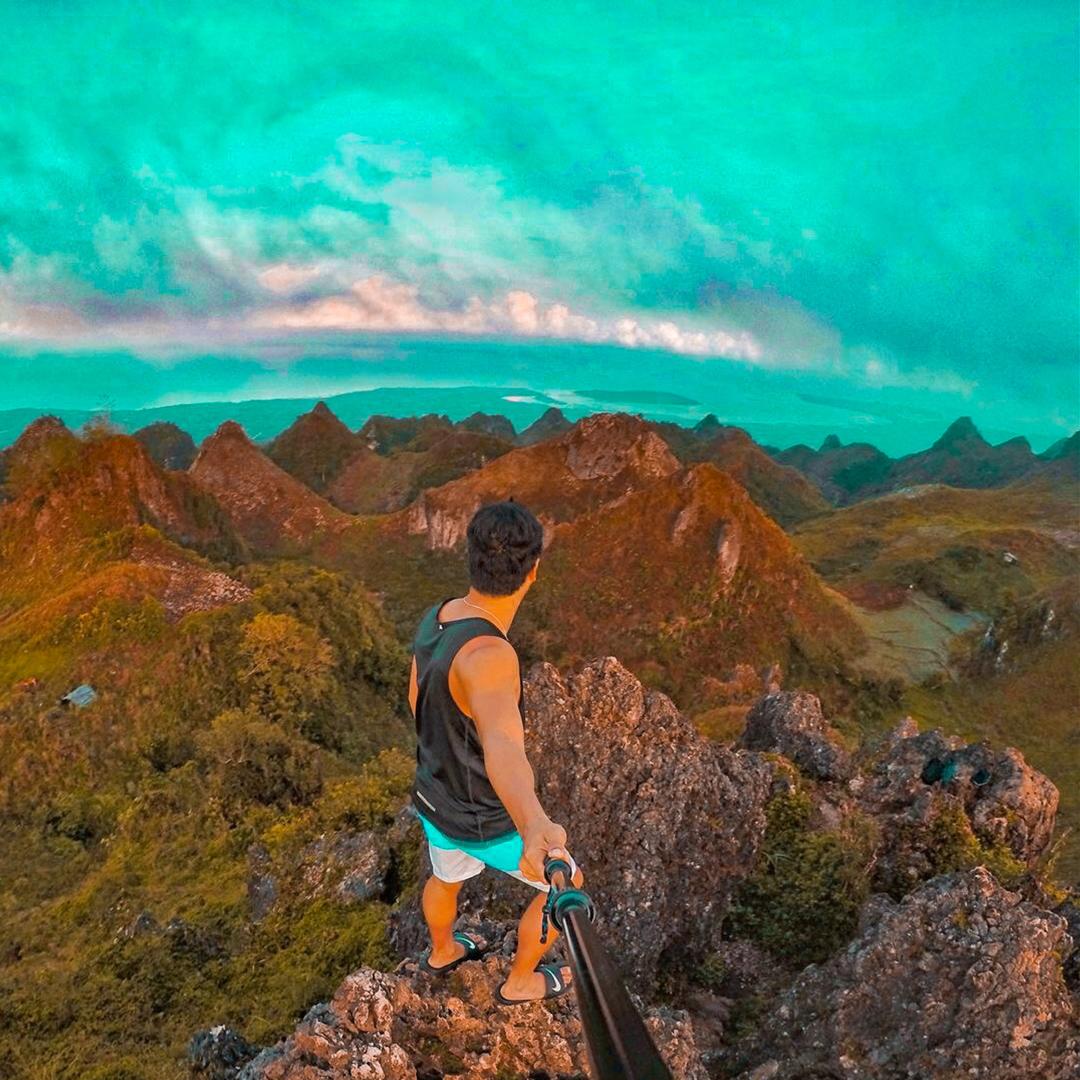
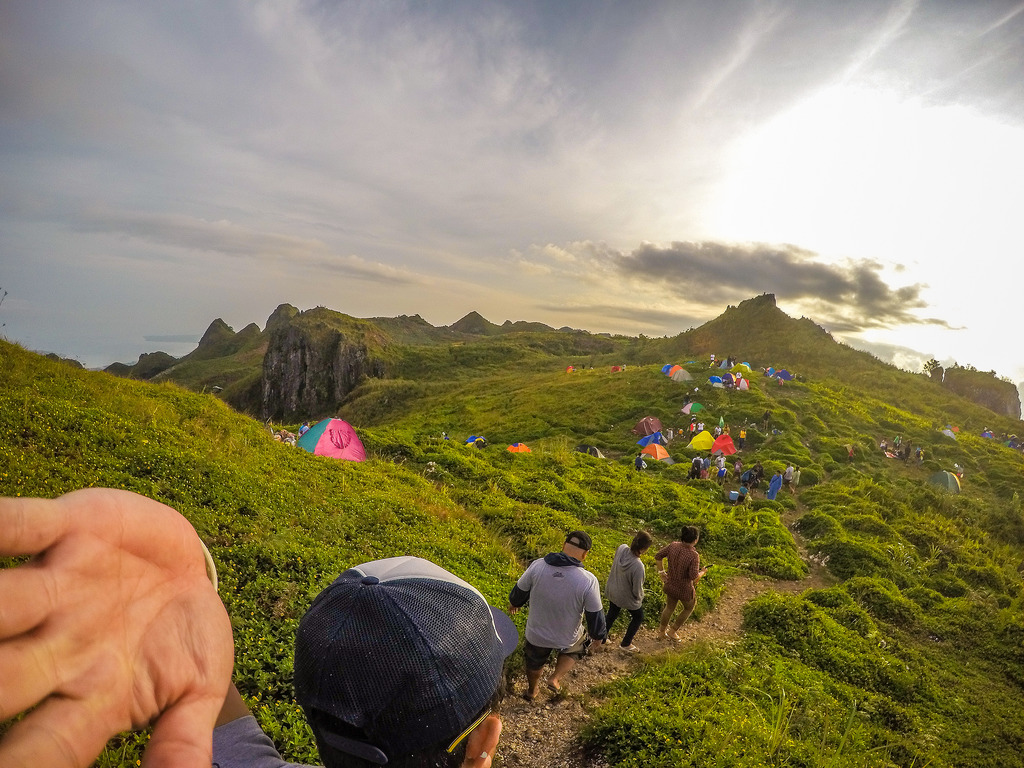
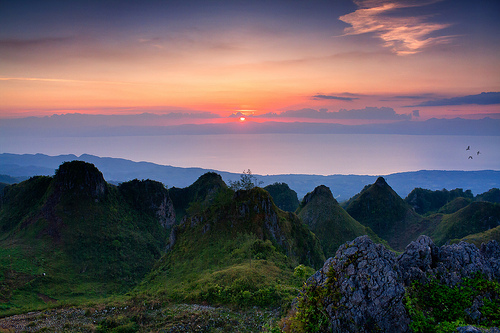
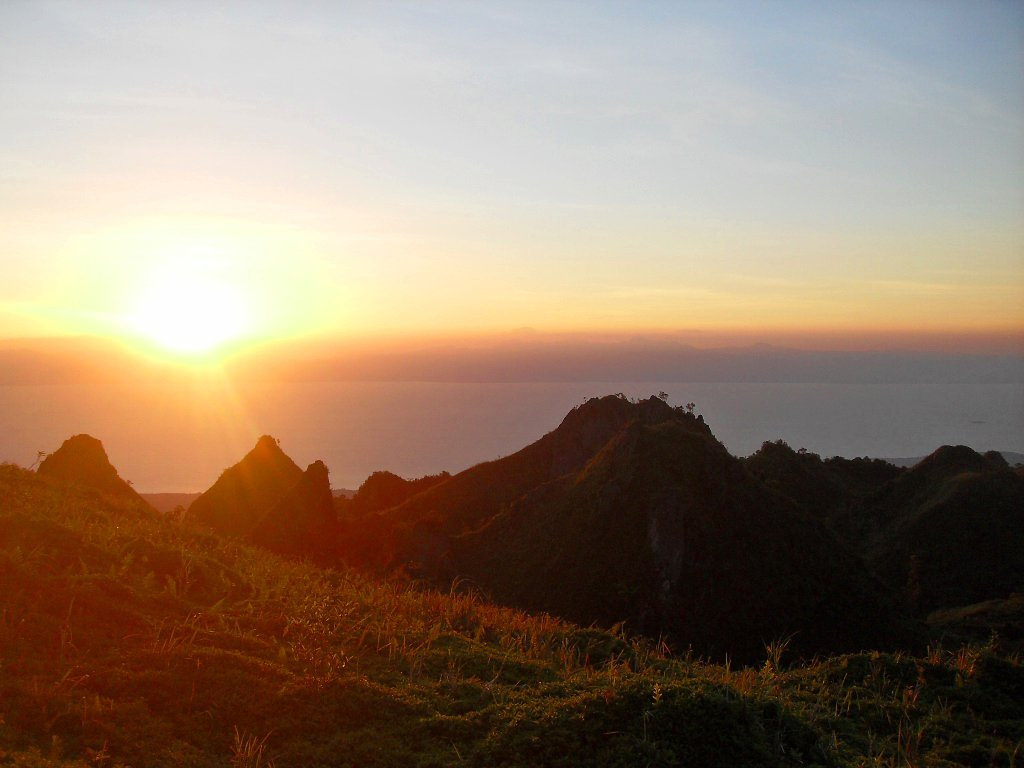
Osmeña Peak  is one of the tourist spots recommended by travelers in planning your bucket list here in Cebu. It is the highest point on the island considering it is standing 1,013 above sea level offering you great sight of nature and sharp protruding peaks. This series of mountains is known for its jagged characteristics with its view overlooking the shore of Badian Bay in the west and the island of Bohol in the east. Also. this summit is perfect for those who are new to more outdoorsy travel and wants to experience trekking at his first level. It is an easy hike considering its not that too steep and after all when you’ll be on top you will be rewarded with fascinating view of our neighboring islands.

From the summit, this place also offers us a breathtaking view of long shoreline, lush farm lands and a view of the limestone cliffs in resemble of a field like gigantic green Hershey’s Kisses. Seeing the glorious sunshine bathe all that greenery in a light veil of gold reminded me of some of the more famous views like in Iceland or in Norway. The evergreen trees that will be surrounding you can make you feel so much closer to nature.

How to go to Osmeña Peak ?

  • From Cebu City, go to the South Bus Terminal.
  • Ride a bus going to Oslob or Bato (fare is about P170+) and ask to be dropped off at the Dalaguete junction. Travel time is roughly 2.5 – 3 hours.
  • Hire a motorcycle (habal-habal) going to the wet market in Mantalongon (20 minutes). From there, you can either:
    • Trek from the market to the peak for about 2 plus hours, or
    • Hire another motorcycle going to the peak (30 minutes). Fare is P200 per person (round trip). Walk up the rest of the way for about 15-20 minutes.
  • Go back the same way. Most motorcycles wait for you.
  • Alternatively, if you’re coming from Badian, you can get to Osmena Peak directly from there by habal-habal. Rate costs P500 per person. Travel time to the base is about 1 hour.
  • There’s an option to traverse back to Kawasan Falls in Badian instead of riding a habal-habal back. The hike can take 5-6 hours
Credits to the rightful owner.